Love Language Test
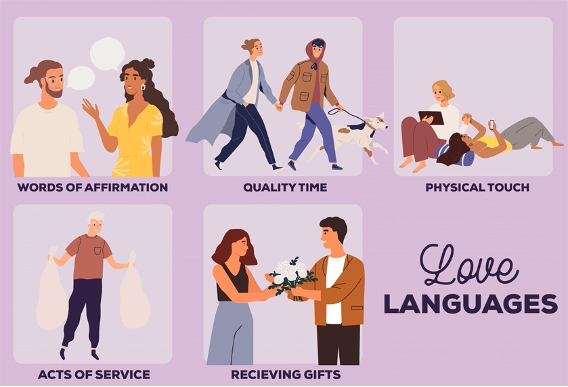
In the intricate world of human relationships, expressing love is one of the most powerful ways to connect with others. But what if the way you show love is different from how someone else perceives it? This is where the concept of love languages comes in. Developed by Dr. Gary Chapman in his book The Five Love Languages, the theory suggests that there are five distinct ways in which people give and receive love. Understanding these love languages can help improve communication, foster stronger connections, and create deeper, more meaningful relationships.
For individuals whose primary love language is words of affirmation, verbal expressions of love, appreciation, and encouragement mean the world. Simple statements like "I love you," "You did a great job," or "I appreciate everything you do" are powerful ways to express love to these individuals. They thrive on compliments and the words that remind them they are valued.
People with this love language feel most loved when they receive undivided attention. They value spending time with loved ones, sharing experiences, and creating memories together. For them, love is best expressed when they are fully present, without distractions like phones or work. Activities such as long walks, shared meals, or even just sitting together and having a conversation can strengthen their bonds.
For some, tangible symbols of love speak volumes. It’s not about the cost of the gift but the thought and effort behind it. Whether it’s a birthday gift, a surprise flower, or something meaningful and personal, the gesture of giving gifts conveys deep affection to these individuals. They see gifts as symbols of love and care, and even small tokens can have a lasting impact on them.
For those whose love language is acts of service, actions speak louder than words. Helping with tasks, whether it's cooking dinner, doing household chores, or assisting with a project, communicates love in a way that words cannot. When someone goes out of their way to make their life easier or show that they care through actions, it makes them feel deeply loved.
Physical touch is often the most direct expression of love. For individuals who resonate with this love language, holding hands, hugging, kissing, and other forms of physical affection are essential to feeling loved and valued. Physical presence and intimacy can provide comfort, reassurance, and emotional connection, strengthening the bond between partners.
Understanding your own love language and that of your partner (or other close relationships) can create a deeper connection and enhance communication. When you know the best way to show love to someone, it reduces the chances of misunderstandings or feeling unloved. A person who thrives on physical touch, for example, might feel neglected if their partner primarily expresses love through acts of service, even if the partner is helping out in practical ways.
On the other hand, recognizing and respecting your partner’s love language can lead to more fulfilling and harmonious interactions. It allows you to communicate in a way that resonates most with them, ensuring that love is felt and appreciated.
If you’re unsure about what your primary love language is, you can take the quiz Dr. Chapman provides in his book or online. However, a few signs may point you in the right direction:
Pay attention to how you express love as well. Often, the way you give love is a reflection of how you want to receive it.
Once you identify your own love language, and that of those around you, it’s important to apply it in your everyday interactions. Here are a few tips for integrating love languages into your relationships:
Understanding love languages is a transformative tool in any relationship. By recognizing the different ways people give and receive love, you can bridge communication gaps and build stronger, more fulfilling connections. Whether it’s through words, time, gifts, actions, or touch, love can be expressed in countless ways. The key is knowing what resonates with the people you care about and making an effort to show love in a way that is meaningful to them.
By embracing the language of love that speaks to your heart, you can create a deeper, more loving connection with those around you.